Outdoor Photography Tips: Capturing the Beauty of Nature
The allure of the great outdoors is undeniable. From serene sunrises over tranquil lakes to the rugged majesty of mountain peaks, nature inspires us with its beauty. For those with a passion for photography, the outdoors offer a canvas of constantly changing scenes, year-round. Each glance is a potential postcard-perfect shot. But how do you take that fleeting moment and turn it into an everlasting masterpiece? With the right skills and a little guidance, every nature lover can become a skilled outdoor photographer.
This extensive guide is designed to help you grasp the essence of outdoor photography. We will explore the nuances of capturing nature’s finest with your camera, from selecting the right equipment to fine-tuning your shots both on-site and in the digital darkroom.
Essential Equipment for Outdoor Photography
Your adventure in outdoor photography begins with assembling the right tools. The following is an overview of the must-have gear you should pack before venturing out.
Cameras
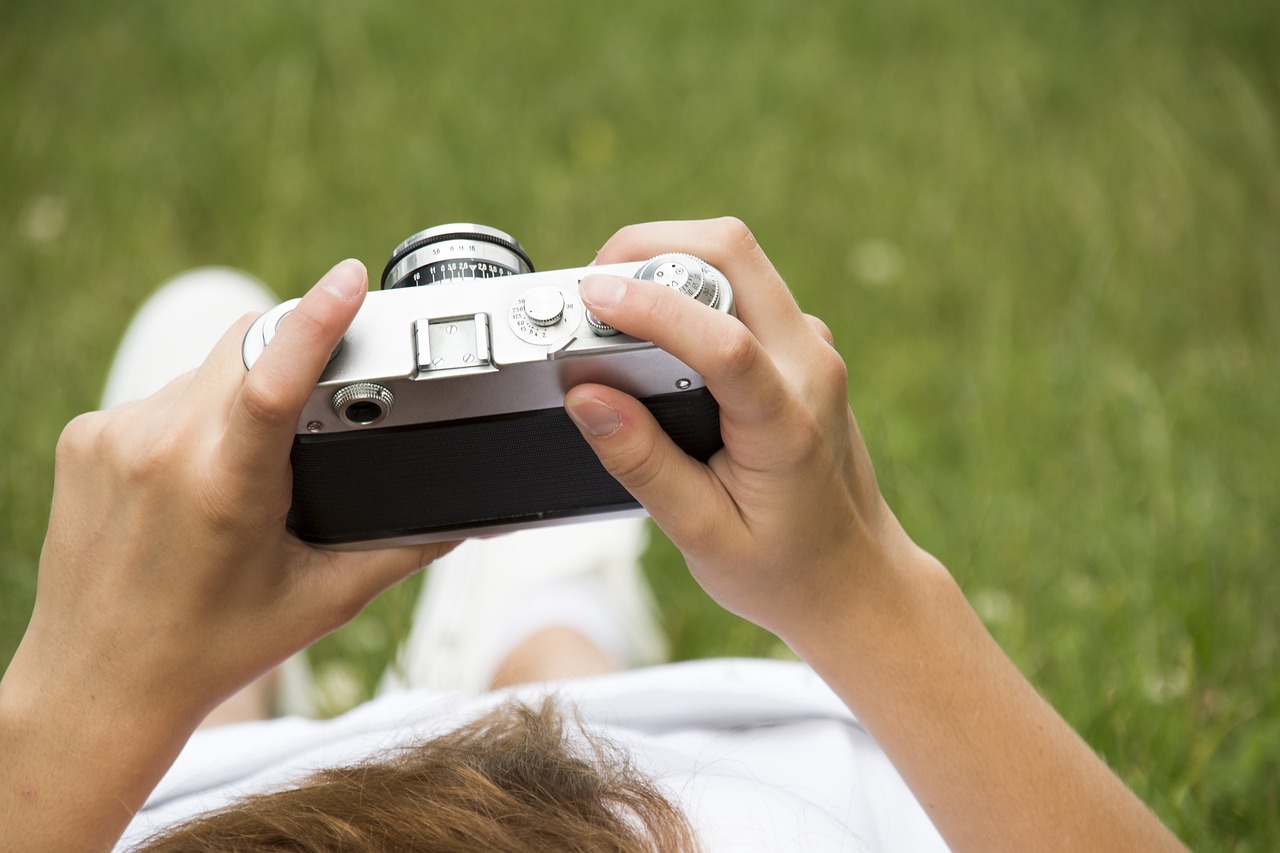
Today’s market offers a vast selection of cameras, catering to every skill level and budget. Mirrorless and DSLR cameras are popular choices among outdoor photographers due to their interchangeable lens systems and superior image quality.
Lenses
The choice of lenses can significantly impact your outdoor photography. A wide-angle lens is invaluable for landscapes, while a telephoto lens allows you to capture details that are further away. A macro lens is a must-have for budding wildlife and nature photographers.
Tripods
Steady shots are essential, especially in low-light conditions or for long-exposure photography. A good tripod is your best friend in these situations.
Filters
Neutral density filters can reduce the amount of light entering your camera, allowing you to use slower shutter speeds even in bright daylight. Polarizing filters help control reflections and enhance colors, making them ideal for landscape photography.
Composition Techniques for Outdoor Shots
A well-composed photograph goes beyond merely pointing and shooting. It’s about arranging the elements within the frame to tell a story or evoke an emotion. Here are some composition techniques to consider when shooting outdoors.
Rule of Thirds
Imagine breaking your frame with two horizontal and two vertical lines, creating nine equally sized boxes. Placing the subject along these lines or their intersections can result in a more balanced and engaging composition.
Leading Lines
Use natural lines in the environment, like paths, rivers, or tree branches, to lead the viewer’s eye towards the main subject.
Framing
Find natural frames, such as windows, archways, or branches, to encase your subject and draw attention to it naturally.
Lighting Tips for Outdoor Photography
Lighting is the soul of photography, and in outdoor settings, the quality and direction of light can make or break your shot.
Golden Hour
The golden hour, just after sunrise and before sunset, when the sun is low in the sky, provides soft, warm, diffused light that can add a magical quality to your images.
Diffused Light
Skies overcast with clouds serve as natural light diffusers, reducing harsh contrasts and softening the light. This is especially useful for shooting portraits or detailed subjects.
Shadows
Shadows can add depth and drama to your outdoor photos. Experiment with the position of the sun to see how it affects the shadows in your compositions.
Nature Photography Specifics
Each aspect of the outdoors poses its own set of challenges and opportunities when it comes to photography. Here are some specialized tips for different types of outdoor photography:
Landscape Photography
In landscape photography, the aim is to capture the grandeur and expanse of natural vistas. Use a small aperture for a large depth of field, and a tripod for steady shots. Introduce a focal point in your composition, such as a solitary tree or a winding river, to give your photo a scale and a sense of place.
Wildlife Photography
Wildlife photography requires patience and the ability to blend into the natural environment. Use a telephoto lens to capture animals from a safe distance without disturbing them. Wait for the right moment to shoot—catching an animal in action or displaying a behavior can make for a compelling photo.
Macro Photography
Macro photography is all about capturing the intricate details of small subjects. Use a dedicated macro lens or a set of extension tubes to get close to your subject. Pay attention to your depth of field, as it can be very shallow at close distances. A tripod can be helpful to ensure sharp focus on the tiny details.
Post-Processing Tips to Enhance Your Outdoor Shots
Post-processing is where raw images are transformed into polished works of art. Here are some tips to elevate your outdoor photographs during the editing process:
Choose the Right Software
Adobe Lightroom and Photoshop are industry standards for photo editing, offering a comprehensive set of tools to enhance and adjust your images. There are also many other software options available, some tailored specifically for nature photography.
Enhance Natural Elements
In post-processing, you can enhance the natural beauty of your outdoor scenes. Adjusting the exposure, contrast, and colors can make the sky bluer, the grass greener, and the sunsets more dramatic. Be mindful not to overdo it; subtlety is key.
Retouch with Precision
Should there be unwanted elements in your shot—like litter, signs, or passerby—use cloning and healing tools to retouch your image with precision. Maintain the integrity of your scene and respect ethical photography practices.
Engagement with the Environment
Beyond taking stunning pictures, it’s crucial to engage with the environment in a responsible and ethical manner.
Respecting Nature
Always tread lightly and leave no trace. Stay on designated paths to avoid damaging plants and habitats. Practice ‘when in doubt, don’t touch’ to ensure the well-being of the environment you’re enjoying. Remember, you’re a guest in nature’s house.
Ethical Photography Practices
When photographing wildlife, maintain a distance that doesn’t stress the animal. Avoid disturbing nests or feeding areas. Consider the impact of your presence on animal behavior and the environment. A great photo is one that was captured ethically.
The Perfect Snapshot of Outdoor Photography
Outdoor photography is an incredible way to explore and appreciate the natural world. By following the tips and techniques laid out in this guide, not only can you capture beautiful images, but you can do so responsibly and ethically.
Whether you’re a seasoned pro or a beginner with a camera, the beauty of nature is a never-ending source of inspiration. Equip yourself with the right gear, perfect your skills, and most importantly, bring your respect and love for the great outdoors. Now, grab your camera, step outside, and start capturing the beauty that’s waiting to be framed.