Fishing 101: A Beginner’s Guide to Fishing
Fishing isn’t merely a pastime for the lazy days of summer; it’s a rich outdoor tradition that blends relaxation, thrill, and skill in a natural setting. Whether you’re drawn to the soothing rhythm of casting your line on a quiet morning or the exhilaration of a big catch, fishing offers more than meets the eye. If you’re new to the angling world, this comprehensive guide will equip you with the essentials to start your fishing expedition.
The Art of Angling: A Beginner’s Tackle Box
Before you can reel in the rainbow, you’ll need the right equipment to get started. This section is all about getting your essential gear in order.
Rod and Reel
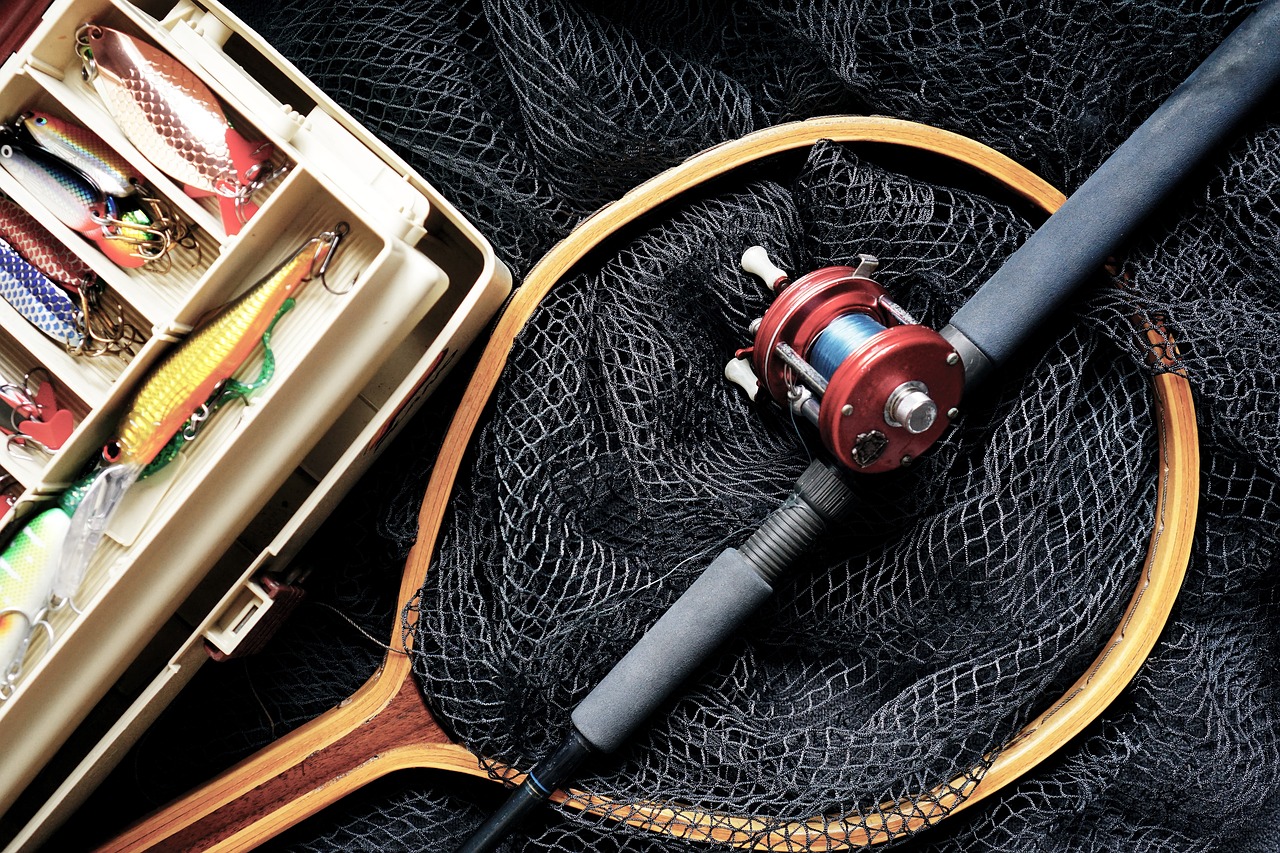
A fishing rod and reel should be the first items on your list. For beginners, a spin-casting reel is often the easiest to handle. The length of the rod can vary, but a 6 to 7-foot medium-action rod is a versatile choice that will work for most freshwater fish.
Lines and Hooks
The fishing line is your lifeline to the fish. It’s important to choose the right line weight for the type of fishing you’ll be doing. For a beginner in freshwater, an 8 to 12-pound test monofilament line should suffice. Hooks come in various sizes and are classified by number, with larger numbers indicating smaller hooks.
Sinkers and Bobbers
Sinkers help take your bait or lure to the desired depth, while bobbers keep the line afloat and alert you to bites.
Tackle Box
Keep all your smaller fishing accessories organized in a tackle box. This includes extra hooks, lines, sinkers, bobbers, and tools like pliers or scissors.
What’s for Dinner (Bait and Lures)
Choosing the right bait is crucial; it’s like offering a tempting treat. Live bait options include worms, minnows, or insects, but if you prefer the art of deception, lures mimic the behavior of prey fish and come in an array of shapes and colors. Light conditions and water clarity can also influence the effectiveness of your bait and lures, so it’s a good idea to have a mix in your tackle box.
Mastering the Cast
Fishing is as much about technique as it is equipment. The classic overhand cast is the go-to for most situations, but there are also side casts and underhand casts that can be useful in different conditions. Practice your technique in a large open area before hitting the water to avoid getting tangled.
Reeling in the Big One
After the perfect cast, reeling in is where you bring the fish to shore. Keep the line tight and the reel handle steady as you feel for the bite. Once you’ve got a fish on the line, it’s a delicate balance of finesse and force to guide it toward you.
Laying Down the Law
Fishing regulations exist to protect fish populations and the natural environment. Each state or country has its own set of rules, which can include fishing seasons, catch limits, and allowed methods. Always check and follow these regulations to maintain the sustainability of the sport.
The Right Angling Atmosphere
Selecting the right fishing spot is like choosing the perfect setting for a story. Different fish species inhabit various environments, so research your local waters to find out where your desired catch may be lurking. For beginners, it’s often best to start in easily accessible areas with a known fish population, like local ponds or stocked fishing areas.
The Safety Fishnet
Safety should never be caught off-guard. Fishing can involve sharp hooks and heavy weights, so it’s important to take precautions. Wear a life vest if fishing from a boat, handle hooks and fish with care, and be mindful of the weather conditions and wildlife around you.
Beyond the Basics
Learning to fish is a progression. After mastering the simple cast and reeling, you can explore more advanced techniques like bait presentation, fish finder usage, and the art of fly fishing.
Fishing is a venture that marries the excitement of the unknown with the tranquility of nature. A beginner’s guide is merely the first step into a world where every cast holds the promise of a unique experience. As you cast away, remember the importance of ethics, conservation, and responsibility. The waters are vast, and the lessons learned with each expedition are immeasurable. Now, go forth, learn, and enjoy the magnificence of fishing – an activity that can easily turn into a lifelong passion.